Picture your trip when the card has to reach the right address before you do
Picture your first afternoon in Korea, except the important decision happened days earlier: do you want a physical card waiting at home, at a hotel, or at another address where someone can receive it? With HANKATONG CARD, that choice matters because this product is about getting one physical card in place before the trip begins, then deciding later how you will use the two separate balances it carries.
📦 The address question comes first
For this card, the practical issue is not whether it exists online; it is where it should land. The product page says delivery is available to South Korea, mainland China, and Hong Kong, and checkout asks for a recipient name, phone number, and full address.
That makes HANKATONG CARD especially relevant for travelers who want a physical card ready before arrival, or for anyone arranging a trip from one of those supported delivery locations. The page also notes that delivery timing depends on destination and carrier, and that dispatch is not the same thing as arrival. In other words, the safest plan is to treat the card as something to arrange early, not a same-day travel errand.
If you are ordering for a trip, this is the moment to decide whether your delivery point is somewhere you can reliably receive mail. The page specifically advises checking recipient details and address carefully, and that is the sort of unglamorous step that saves a lot of last-minute sorting later.
💳 Two balances, one card, and no confusion at checkout
HANKATONG CARD is not a simple single-wallet card. The product separates transport and spending into different balances, and those balances are topped up separately. That matters because the card is designed for two different kinds of moments: tapping into supported transport, and paying at supported offline merchants.
The product details say the transport function is for supported subways, buses, and taxis that accept the card. The spending function is for participating restaurants, cafés, convenience stores, supermarkets, shopping centres, duty-free shops, and other supported offline merchants. Acceptance still depends on the merchant and payment terminal, so the card is better thought of as a practical travel tool than as something that will work everywhere without exception.
This is also why the card can be useful for a trip where you want to keep transit money separate from general spending. A funded spending balance does not automatically pay a subway fare, and the reverse is not implied either. If you like keeping travel budgets mentally tidy, the card’s structure is unusually clear.
- Check which balance you plan to use first.
- Download the HANKATONG app before the card arrives.
- Confirm the delivery address and recipient details at checkout.
- Expect transport and spending top-ups to be handled separately.
📱 Why the app matters before you leave
The HANKATONG app is not just an accessory; it is part of how the card is managed. The product page says you can use the app to manage the card, check balances and transaction history, access available top-up services, and apply for eligible transport discounts. It also points to LOCAL, which brings Korea travel products and bookings into the same app.
That matters because the card is not sold as a fixed one-size-fits-all bundle. There is no SIM or eSIM option in this product, no initial top-up balance, and no included activity ticket. If you need mobile data as well, the page directs you to browse Korea eSIM and SIM products separately.
For a traveler building a Korea plan from scratch, that split can actually be helpful. The card covers the payment side of everyday movement and small purchases, while phone service and tickets stay in their own lanes. You do not have to untangle a package you did not want in the first place.
✅ When this card is the smarter pre-trip choice
HANKATONG CARD makes the most sense if you want a physical card in hand before you travel, or if you are arranging delivery within the supported destinations. It is also a good fit if you prefer a prepaid setup rather than a credit-style product, because the page states clearly that this is prepaid and does not provide a credit limit.
The other detail worth noting is that the basic card account does not require passport or identity-document submission, although certain services such as child or youth transport discounts may have their own registration rules. The card batch is currently valid through March 2029, with the expiry printed on the card taking precedence.
What this product does not do is just as useful to know: it does not include SIM service, prepaid balance, or activity tickets, and it is not a universal acceptance promise. That leaves you with a cleaner decision. If you want one physical card for supported transport and everyday offline purchases in Korea, and you want the card arranged ahead of time, the setup is straightforward.
To see the current service details and order the exact product, visit the official listing here: View card →
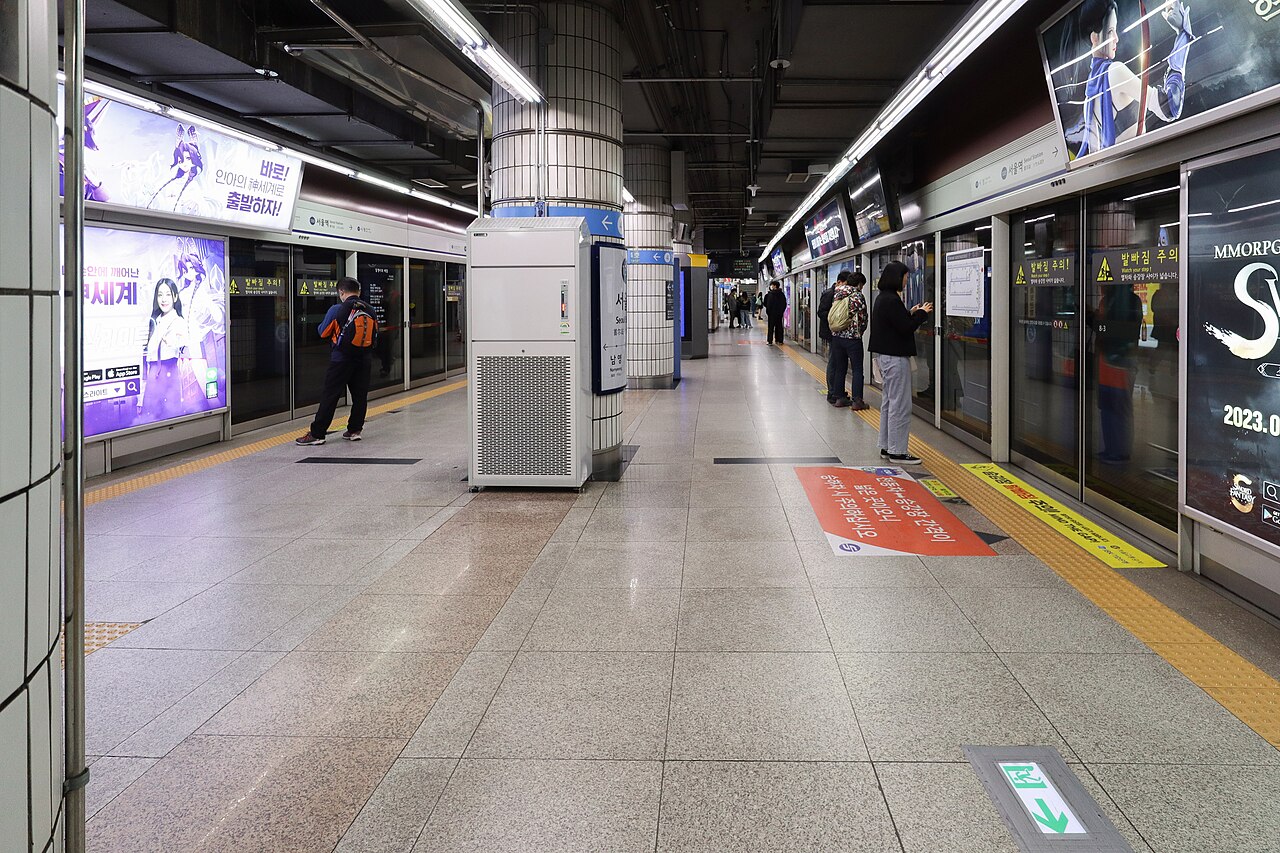
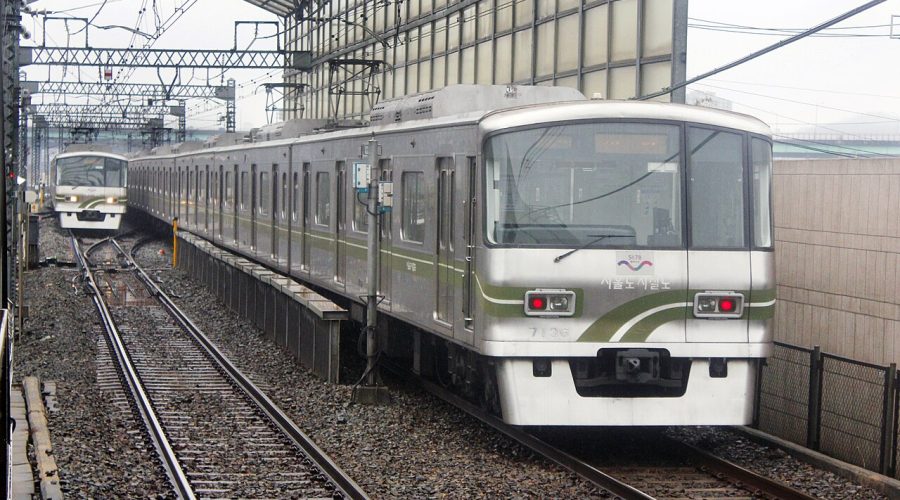
Context photograph: Minseong Kim, CC BY-SA 4.0. Photograph date: Taken on 21 February 2015 14:08:50. Display size adjusted.