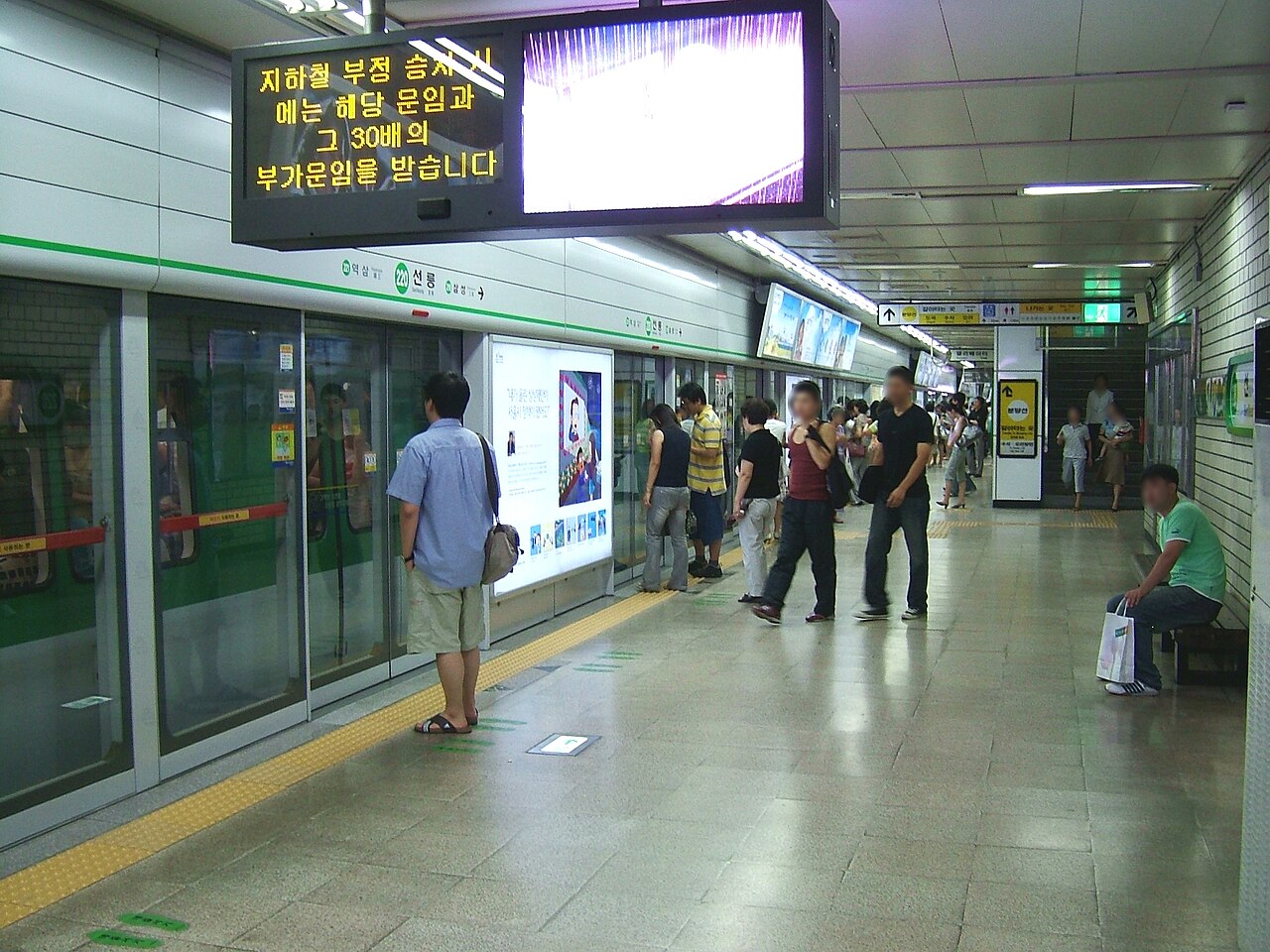
Picture your first Korea trip with children when one card can handle the train, a snack stop, and the next errand
Picture your first afternoon in Korea with a child who is already asking for a snack, a subway ride, and the next thing on the map. You are trying to keep the day simple, but you also want one payment setup that makes sense when the trip shifts from station gates to a café table to a convenience store stop.
That is where HANKATONG CARD is useful to think about. It is a physical card for Korea that combines transport and everyday spending in one item, but it does not blend the money into one pool. The card uses two separate balances, so the decision you make is not just whether to bring a card, but which balance you need ready before the next step of the day.
🧳 Why this card suits a family-style travel day
Family trips often fail on small logistics rather than big ones. A child wants a drink before the platform, a parent wants to know whether the same card will work again for lunch, and nobody wants to discover too late that the wrong balance was topped up.
HANKATONG CARD is built around that exact split. The transport balance is for supported subway, bus, and taxi use, while the spending balance is for participating restaurants, cafés, convenience stores, supermarkets, shopping centres, duty-free shops, and other supported offline merchants. That separation is not a technical footnote; it is the main thing that determines whether your next tap or purchase succeeds.
For a parent, that can be a practical advantage. You can keep the journey money in one place and the daily spending money in another, rather than trying to remember whether every charge should come out of the same bucket.
💳 What you actually receive, and what you do not
This product order includes one physical HANKATONG CARD. It is a prepaid card, not a credit card, and the purchase does not include a prepaid balance, SIM/eSIM service, or activity tickets. There is also no plan, validity option, or SIM option to choose for this product.
That matters because the card is not a shortcut for the whole trip. It is a payment tool. If you want mobile data, that is a separate Korea SIM or eSIM product. If you want tickets or activities, those are separate purchases too. The card is best understood as a physical payment companion for everyday movement and spending in Korea.
The card is also tied to the HANKATONG app, where you manage the balances, check transaction history, and use available top-up services. The app is part of the experience, not an optional extra, because the split between transport and spending is what keeps the card practical.
- Bring the card with you, but top up the right balance before you need it.
- Check whether your next stop is a transport payment or an everyday purchase.
- Use the app for card management, discounts, and balance checks.
📍 When child or youth fare discounts matter
One especially useful detail for family travellers is that eligible children and teenagers can apply for discounted transport fares through the app. The source says the required registration must be completed before using the discounted fare, so this is not something to leave until you are already at the gate or boarding point.
That makes the card more interesting for parents planning a city day rather than a one-off airport transfer. If you expect repeated subway or bus use, the ability to manage transport discounts through the app can shape how you prepare before leaving your accommodation.
It is still important to keep the main rule in view: a spending balance does not automatically pay a subway fare. If you are heading out with coffee money loaded but not transport money, the card will not solve the gap for you. The trip works best when you treat the two balances as separate tasks.
🛍️ How to think about the first day after delivery
The source says delivery is available to South Korea, mainland China, and Hong Kong. Delivery timing depends on the destination and carrier, and dispatch is not the same thing as arrival. If you are ordering for an upcoming trip, that distinction matters more than a glossy promise of speed.
After the card arrives, the simplest approach is to prepare in this order: download the app, follow the card setup instructions, then check the card status and add money to the relevant balance before you travel or pay. That sequence is practical because it keeps setup separate from your travel day, when you may already be balancing a route, luggage, and children.
The physical card batch is currently valid through March 2029, and the expiry printed on your card applies. The price for one card is a one-time payment, with no subscription or automatic renewal. That makes it easier to think of the card as a travel item you keep for future Korea trips, not something that resets itself in the background.
✅ A sensible checklist before you order
If you are deciding whether this belongs in your trip plan, the most useful questions are straightforward:
- Do you want one physical card for both transport and everyday spending?
- Will you need separate balances for transit and shopping?
- Are you ordering for delivery within South Korea, mainland China, or Hong Kong?
- Do you need child or youth transport discounts that must be set up through the app?
- Would you prefer a card-first solution instead of relying only on mobile payments?
If those questions sound like your trip, the product page is worth a closer look because the practical details live there, including the current service information and ordering flow. For live conditions and the exact purchase page, View card →
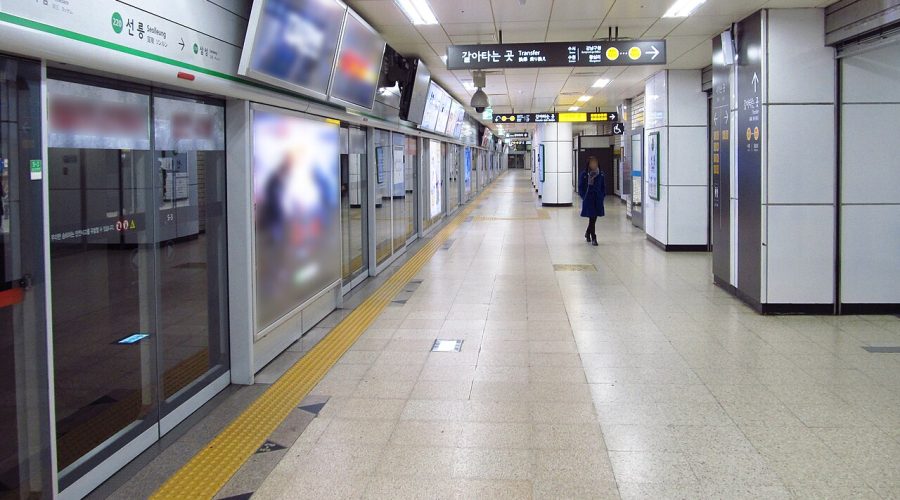
Context photograph: LERK, CC BY-SA 4.0. Photograph date: Taken on 21 November 2018 15:14:12 KST (UTC+9). Display size adjusted.