Picture your first Korea day when the card in your pocket needs to match the budget in your head
Picture your first afternoon in Korea: you’ve already cleared the airport, your bag is down to one shoulder, and the only thing you want to think about is whether the train fare and your coffee money are coming from the same place. That is the practical appeal of HANKATONG CARD. It is a physical card for Korea that separates transport and spending, so the decision is not “do I have money?” but “which balance should I use right now?”
🧳 The real decision: keep transit money away from spending money
This card makes sense when your day is likely to split into two rhythms. In the morning, you may be tapping into supported public transport. Later, you may be paying at a café, convenience store, supermarket, shopping centre, duty-free shop, or another supported offline merchant.
The useful part is not just that both uses sit on one card. It is that the card treats them as different pools. The product information is clear that a funded spending balance does not automatically pay a subway fare, so the card asks you to be deliberate rather than casual.
That can be a relief for travelers who like clean categories. If you prefer to know exactly what is reserved for moving around and what is reserved for buying things, the structure is easy to understand. If you tend to top up one wallet and hope it covers everything, this is the sort of product that rewards a little extra attention.
📱 What the app changes when you are already on the move
The HANKATONG app is part of the experience, not an optional extra. You use it to manage the card, check supported balances, review transaction history, and access available top-up services. The app also includes card-service information and shows available top-up methods based on your device and payment environment.
That matters because the card is not sold as a one-click, everything-included travel bundle. There is no SIM or eSIM service in this product, and there are no activity tickets bundled with it. The card is specifically about payment and transport use in Korea, with trip services handled alongside it in the app rather than inside the card itself.
The app also points to LOCAL travel products and bookings, which is useful if you want your card setup and your Korea planning to live in the same place. Activities and tickets are purchased separately, so you are not buying a hidden package. You are buying a card and then deciding how to use the surrounding tools.
💳 Where this card fits—and where it does not
HANKATONG CARD is for supported public transport and offline merchants in Korea. The source also notes that acceptance depends on the merchant and payment terminal, which is the sort of limitation worth reading carefully before you depend on it for every purchase. Korean online stores and delivery apps can have additional payment restrictions.
That means the card fits a very specific travel routine. It is practical if you like tapping for transport and paying in places where a physical prepaid card is accepted. It is less useful if your day is mostly digital, app-based, or tied to online checkout systems that may have extra restrictions.
There is also a separate note for families and younger travelers: eligible children and teenagers can apply for discounted transport fares through the app, and the required registration has to be completed before using the discounted fare. That is a helpful option, but it is not automatic, so it belongs in your pre-trip planning rather than your first ride.
✅ Before you order, decide these four things
Because this is a physical card with separate balances, the most useful preparation is simple and practical. You do not need to overthink the concept, but you do need to know what you are buying and where it will go.
- Confirm that you want one physical card, not a SIM, eSIM, or ticket bundle.
- Check whether your trip is centered on supported transport and offline shopping.
- Plan to top up transport and spending separately.
- Enter delivery details carefully if you want the card shipped to South Korea, mainland China, or Hong Kong.
The product page also states that opening a basic card account does not require passport or identity-document submission. That can simplify the first step, though any special services may still have their own rules. As always with card products, it is wiser to read the current service details than to assume every use case works the same way.
📍 Why this is worth considering before the trip starts
There is a quiet advantage to having a card like this ready before you leave. You are not trying to separate train fare from snack money after arrival, and you are not trying to figure out a new payment setup in the middle of a travel day. Instead, the card gives you one physical object and two distinct balances to manage.
The delivery window is also part of the decision. The service delivers to South Korea, mainland China, and Hong Kong, and delivery timing depends on the destination and carrier. The source is explicit that dispatch is the handover to the carrier, not the arrival date, so this is a product to order with a little lead time rather than on impulse.
One more detail matters if you are checking the price closely: the card is a one-time purchase for the physical card itself. The current batch is valid through March 2029, and the expiry printed on the card applies. Separate transport and spending balances still need to be topped up after purchase.
If that combination matches your trip style—transport fare in one lane, everyday spending in another—then the product page is the right place to verify current service details before you order.
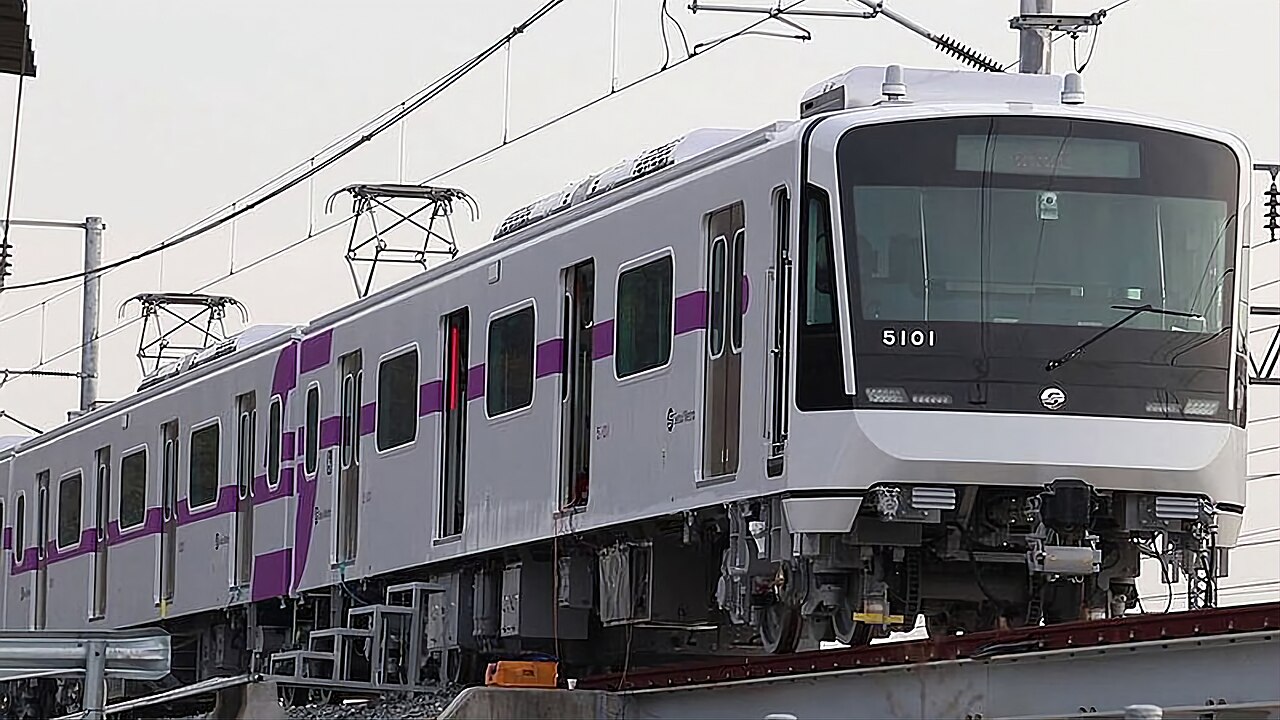
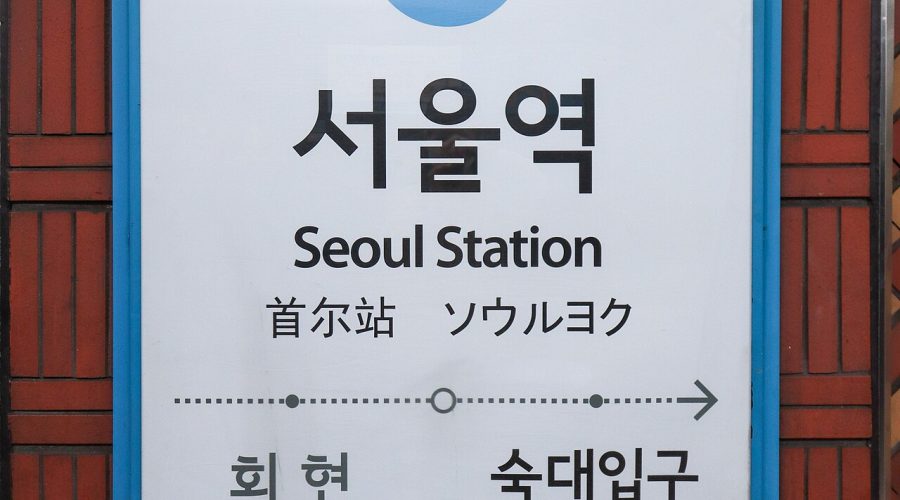
Context photograph: Mobius6, CC BY-SA 4.0. Photograph date: 2023-04-08 20:17:25. Display size adjusted.