A Korea day with HANKATONG CARD: two balances, three simple checks
Picture a day in Korea that starts with a subway ride, pauses for coffee and ends with a small souvenir. Before leaving your accommodation, you open the HANKATONG app and notice money in the spending balance. It is tempting to treat that as your answer to every payment that day. With HANKATONG CARD, there is one more question: is the transport balance ready too?
That small distinction is the useful place to begin. The physical card brings transport and prepaid spending together, but the two balances remain separate. Planning for that separation before your first journey can make the card easier to understand throughout the trip.
🚇 Before the first gate: choose the right balance
Imagine you have prepared money for café stops and shopping, then walk toward a subway gate. The mistake would be assuming that a funded spending balance automatically covers the ride. It does not. Transport uses its own balance, so that is the balance to check before starting the journey.
This is less about learning a complicated travel routine than about asking the same short question at the right moment: am I preparing for transport, or for a purchase? In the app, use the supported balance and card-management information to check the relevant part of your setup. Follow the current instructions for the top-up services available to your device and payment environment.
Do this while you still have time to resolve an issue, rather than making the station entrance the first place you inspect your card. The official product page describes supported transport use; it does not promise that every service or reader will accept the card.
☕ At the coffee stop: spending is a separate decision
Now picture the next part of the same day. You leave the subway and stop at a café before looking around the neighbourhood. This time, the relevant amount is the spending balance. HANKATONG CARD supports purchases at participating offline merchants, including cafés, restaurants, convenience stores and shops.
The important word is “participating.” Acceptance depends on the merchant and payment terminal. A working transport payment is not proof that a particular shop will accept the card, just as a successful shop purchase is not proof that the transport balance is funded.
That distinction gives you a practical way to keep your plans clear. You can think separately about getting around and about the purchases you want to make along the way, without treating the card as a single pot of money. It is a useful habit for someone who likes to see those two parts of a trip independently.
🔎 When a payment does not work: three checks first
A hypothetical failed tap does not tell you the cause on its own. Start with the relevant balance, then the card status, then whether the transport service or merchant supports the card. Those checks keep you from assuming that topping up the other balance will solve the problem.
- A transport problem: check the transport balance and supported service.
- A shop payment problem: check the spending balance, card status and merchant acceptance.
- An unresolved problem or lost card: use HANKATONG app support for the next steps.
Replacement, balance transfers and refunds depend on the card status and applicable service rules. Avoid planning the rest of your day around an assumed instant fix or automatic transfer between balances. The product does not promise either.
🎒 Prepare the card before building the day around it
The purchase is for one physical HANKATONG CARD. It is prepaid, with no credit limit, and the US$7.37 card price is a one-time payment. Transport and spending top-ups are separate from that purchase. There is no SIM, eSIM, activity ticket or initial prepaid balance included.
Delivery is available to South Korea, mainland China and Hong Kong. Check the recipient details and the total shown before payment. Dispatch means handover to the carrier, while arrival timing depends on the destination and carrier; buying the card is not a promise that it will arrive by a particular travel date.
Once it arrives, follow the app’s card setup instructions and prepare the relevant balances before use. If mobile data is also on your preparation list, arrange it separately. Keeping those tasks distinct makes it easier to see what is ready and what still needs attention.
💳 A small habit for a more organised Korea day
The appeal here is specific: one physical card, with two functions you can prepare for deliberately. Before the ride, think transport. Before the coffee or souvenir, think spending. That approach lets the card fit your day without expecting it to do something its balance structure does not support.
If that matches how you want to organise your Korea trip, review the current card details and delivery conditions before ordering.
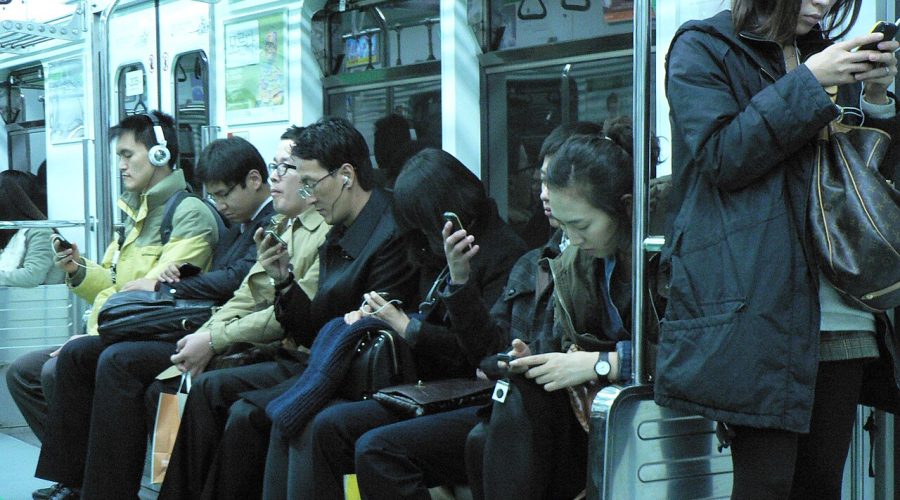
Context photograph: Marc Smith, CC BY 2.0. Photograph date: 2010-11-10 03:27:59. Display size adjusted.