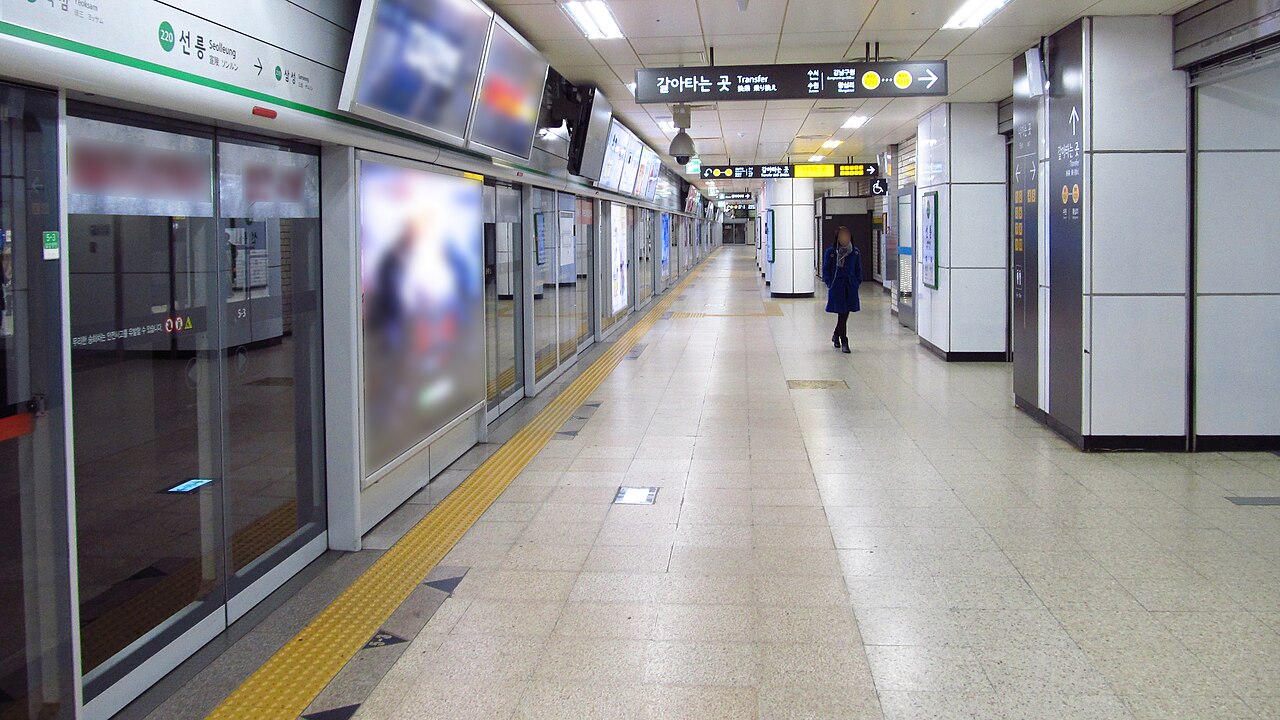
Picture your first Korea morning when you want one card for the train, a coffee stop, and the little purchases that follow
Picture your first morning in Korea: the subway platform is already busy, you want a coffee before your next stop, and you do not want to sort out three different payment tools before lunch. That is the practical niche HANKATONG CARD is built for. It is a physical card with a transport function and a prepaid spending function, managed through the HANKATONG app.
The useful part here is not simply having a card, but knowing what kind of day it suits. HANKATONG CARD is aimed at travelers who want a single physical card in hand, then separate control over how they pay for moving around and how they pay for everyday purchases. That separation matters when you are trying to avoid the classic travel frustration of having money in the wrong place at the wrong moment.
The card price is USD7.37 for one physical card. It does not include prepaid balance, SIM/eSIM service, or activity tickets, and there is no subscription, automatic renewal, or recurring billing. In other words, you are buying the card itself first, then deciding how and when to add money to the relevant balance.
🧳 Why this card suits a paced arrival day
Think of the kind of first day where your schedule is not ambitious, but it is full of movement: airport arrival, one or two subway rides, a convenience store stop, maybe a café and a simple dinner. A card with separate transport and spending balances can be easier to reason about than juggling a single catch-all balance in your head.
That separation also keeps your decisions clearer. The transport balance is for supported subway, bus, and transport-card payments. The spending balance is for participating restaurants, cafés, convenience stores, supermarkets, shopping centres, duty-free shops, and other supported offline merchants.
It is worth underlining the boundary: a funded spending balance does not automatically pay your subway fare. If you are the sort of traveler who likes to know exactly which pot of money serves which purpose, this is the kind of structure that feels tidy rather than fussy.
💳 What you need to decide before you order
HANKATONG CARD is not a “buy now, figure it out later” product. The card is physical, and the details around use depend on how you set it up in the app. The app lets you manage your card, check supported balances and transaction history, access available top-up services, and apply for eligible transport discounts.
Before ordering, it helps to decide whether you are really looking for a transport-and-spending card or whether your trip needs something else as well. If you also want mobile data, this product does not include it. The source specifically says to browse Korea eSIM and SIM products separately if you need mobile data.
For a simple planning frame, keep these points in mind:
- Confirm that you want a physical card rather than a SIM or eSIM product.
- Plan to top up transport and spending separately.
- Check whether your trip depends on supported offline merchants, not just transport.
- If you are ordering for a child or teen, note that discounted transport fares may require registration in the app.
📱 How the app changes the experience
The HANKATONG app is part of the product story, not a side note. The source says you use it to manage card services, check balances, view transaction history, and access top-up services. It also mentions that LOCAL brings Korea travel products and bookings into the same app, though activities and tickets are purchased separately.
That makes the card more useful for travelers who like a single place to keep their trip logistics visible. The app screenshots shown in the source are official English screenshots from the HANKATONG App Store listing, but available functions, prices, and payment methods can change. For current card-service information, the official HANKATONG website is the place to confirm details.
One practical benefit of this app-based setup is that it helps you check the card status before you travel or pay. That matters because transport and spending balances are not interchangeable. If the subway fare is the priority, you need transport balance. If you are paying in a shop, you need spending balance.
📍 Delivery, timing, and what not to assume
This product is delivered to South Korea, mainland China, and Hong Kong. The source notes that delivery timing depends on destination and carrier, and that dispatch means handover to the carrier rather than arrival date. It also says the existing Hong Kong delivery adjustment is included in the total shown before payment.
For a travel editor’s eye, that means the ordering decision is not only about the card itself, but about where you are receiving it and when you need it. If your trip is close, the most sensible move is to confirm your delivery details carefully before placing the order. The source explicitly recommends checking the recipient name, phone number, and full address at checkout.
The card batch is currently valid through March 2029, and the expiry printed on the card applies. That is useful background, but it does not change the basic decision: this is a prepaid card with separate balances, not a universal payment tool and not a guaranteed fit for every merchant or reader.
If your Korea plans are built around subway rides, café stops, and other everyday purchases, this is a neat way to organize the trip into two visible buckets. If that is the structure you want, order the card here and confirm the live service details before you go: https://alltripthings.com/product/hankatong-card-basic/
Context photograph: LERK, CC BY-SA 4.0. Photograph date: Taken on 21 November 2018 15:13:32 KST (UTC+9). Display size adjusted.