Picture your first Korea trip with children when discounted transit needs setup before the first tap
Picture your first afternoon in Seoul with a child asking for a snack, a bus stop coming up sooner than expected, and your transport budget already stretched thin in your head. In that moment, a card that keeps fare money separate from spending money feels less like a travel extra and more like a small piece of order in a busy day.
That is the practical shape of HANKATONG CARD. It is one physical card for Korea that combines transport and prepaid spending functions, with both balances managed separately in the HANKATONG app. For a family trip, the real decision is not whether the card can do everything at once. It is whether your trip will be calmer if transit, snacks, and small purchases each live in their own lane.
🧳 Why family travel makes the split-balance idea useful
On a family day, transport spending and everyday spending rarely move at the same pace. You may need fare money for a subway ride, then a different amount for coffee, convenience-store snacks, or a lunch stop at a supported offline merchant. HANKATONG CARD keeps those decisions apart, so you can check one balance before boarding and the other before paying for a meal or a purchase.
The card is prepaid, not credit. That means you add money first and spend from the available balance, instead of relying on a credit limit. For travelers who prefer a clearer budget, that simplicity matters as much as the tap itself.
It is also worth noticing what the product does not include: there is no SIM or eSIM service, no initial top-up balance, and no travel ticket bundled into the order. If you want a mobile data product for the same trip, it needs to be chosen separately.
🎒 What to sort out before the first ride
If you are traveling with children or teenagers, the most useful thing to do is not wait until the platform. The product details state that eligible children and teenagers can apply for discounted transport fares through the app, and that the required registration should be completed before using the discounted fare. That makes this a planning step, not a same-minute convenience.
The basic card account itself does not require passport or identity-document submission, according to the product information. That keeps the starting setup straightforward, though special services such as child or youth discounts may still involve the information required by their registration rules.
- Decide which balance should cover the first day: transport, spending, or both.
- Download the HANKATONG app and follow the card setup instructions after the card arrives.
- If you plan to use a child or youth discount, complete that registration before riding.
That last point matters because a funded spending balance does not automatically pay subway fare. The card works best when you treat transport and shopping as two separate budgets from the outset, especially on family itineraries where one unplanned snack stop can blur the numbers.
📱 The app is where the trip becomes manageable
The HANKATONG app is not just a place to look at a card picture. The product information says you can use it to manage your card, check supported balances and transaction history, access available top-up services, and apply for eligible transport discounts. It also notes that LOCAL brings Korea travel products and bookings into the same app, while activities and tickets are purchased separately.
For a parent or organizer, that means the card is only part of the trip system. The app is where you confirm the payment balance, see what top-up methods are available for your device and payment environment, and keep an eye on card services. If anything goes wrong with the card itself, the product directs card-use questions, balance issues, lost-card matters, and support requests to HANKATONG app support.
There is also a practical delivery angle. The card can be delivered to South Korea, mainland China, and Hong Kong. If you are ordering before a trip, the recipient name, phone number, and full address need to be entered carefully at checkout, and delivery timing depends on the destination and carrier. In other words, this is a card you can stage in advance, but you still need to confirm the details before you rely on it.
📍 When this card fits better than a single-purpose payment setup
HANKATONG CARD makes the most sense when you want one physical card for transport and everyday spending, but you do not want those budgets mixed together. That can be especially helpful on a family day with a rough rhythm: ride, snack, ride again, then a small shop or restaurant stop. The separation helps you see what is transit and what is not.
There are still boundaries to keep in mind. Acceptance for offline spending depends on the merchant and payment terminal, and Korean online stores or delivery apps can have additional restrictions. Transport use is limited to supported subway, bus, and taxi payments that accept the card. So this is not a universal replacement for every payment situation; it is a travel card with specific strengths in Korea.
The product batch is currently stated as valid through March 2029, with the expiry printed on the card taking precedence. The one-time card price is US$7.37, and there is no subscription or automatic renewal tied to the card itself. If that mix of simple ownership and separate balances matches how you travel, the setup can be refreshingly orderly.
For current service conditions and the exact card details, use the official product page before ordering: View card →
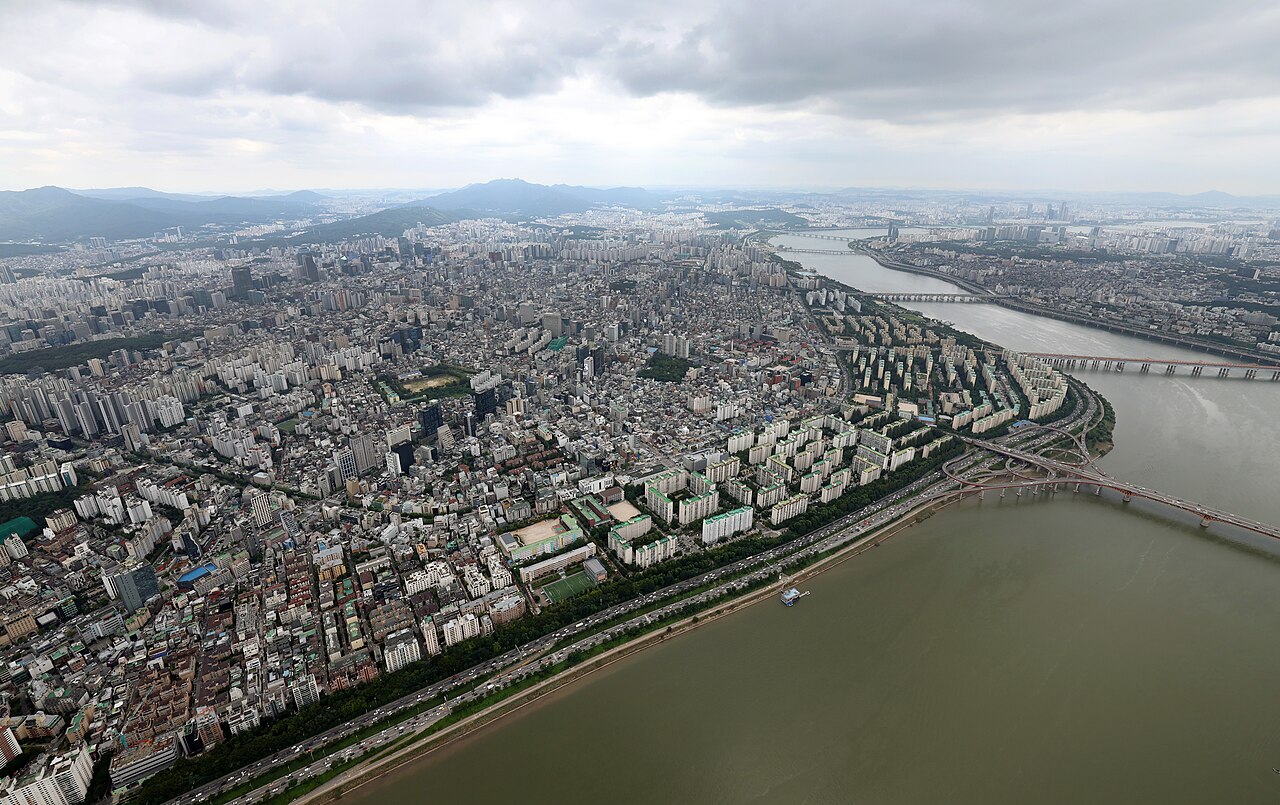
Context photograph: hyolee2, CC BY-SA 3.0. Photograph date: Taken on 18 September 2010. Display size adjusted.