Picture your first afternoon in Korea when you want a card for transit and a different balance for everything else
Picture your first afternoon in Korea when the subway is easy enough, but the rest of the day is full of smaller decisions: whether to stop for coffee, whether a convenience-store purchase should come from the same balance as your ride, and whether your card setup is simple enough to leave alone after you land. That is the practical angle of HANKATONG CARD. It is a single physical card built around two separate balances, so you do not have to treat transport and everyday spending as the same job.
💳 One card, but not one pot of money
The key thing to understand is that this is not a generic prepaid card with one shared balance. HANKATONG CARD splits use into transport balance and spending balance, and those two need to be topped up separately. That distinction matters the moment your day begins to move between a station gate, a cafe counter, and a convenience store shelf.
If you are the kind of traveler who likes to keep transit costs distinct from meal or shopping spending, that separation can make the day feel cleaner. It also means a funded spending balance does not automatically cover subway fare. Before you use the card, you need to know which balance is meant for the next task.
That is useful in a very ordinary way. You can keep your transit money ready for supported subway, bus, and taxi payments, while the spending side handles supported offline merchants such as restaurants, cafes, convenience stores, supermarkets, shopping centres, and duty-free shops. Acceptance still depends on the merchant and the payment terminal, so it is better to think of the card as a practical tool rather than a universal guarantee.
🧳 When the day mixes rides, snacks, and small purchases
This product fits a traveler who does not want to re-plan every stop around payment methods. Maybe your route starts with a station transfer, continues with lunch, then ends with an unplanned shopping stop. HANKATONG CARD is designed for exactly that sort of flexible day, as long as you keep the two balances in mind.
The physical card is especially appealing if you prefer one item in your wallet instead of juggling a separate transit card and a separate spending card. It is also useful if you want to make the small, repetitive decisions of a trip a little simpler: which balance should be topped up, whether the transport side still has enough for the next ride, and whether a shop purchase belongs on the spending side.
There is one practical limit worth keeping visible. The product information says Korean online stores and delivery apps can have additional payment restrictions. So this is a stronger fit for in-person travel routines than for expecting it to solve every kind of purchase in Korea.
📱 The app is part of the card, not an afterthought
HANKATONG is not just a piece of plastic; it is a card managed through the HANKATONG app. The app is where you handle card services, check supported balances, review transaction history, and access available top-up services. It also includes travel products and bookings through LOCAL, though activities and tickets are purchased separately.
That matters before you travel, not just after. The source materials say to download the app, follow the setup instructions when the card arrives, then check status and add money to the relevant balance before travelling or paying. In other words, the card is meant to be prepared rather than improvised.
The app also shows the methods available for your device and payment environment. That is a helpful detail because it keeps expectations grounded: what you can do depends on the current service setup, not just on the existence of the card itself.
📍 Ordering, delivery, and what to confirm first
The purchase includes one physical HANKATONG CARD. The current batch information says the card is valid through March 2029, though the expiry printed on the card applies. The price is a one-time payment of US$7.37, and there is no subscription, automatic renewal, or recurring billing.
Delivery is available to South Korea, mainland China, and Hong Kong. The source notes that delivery timing depends on destination and carrier, and that dispatch means handover to the carrier rather than arrival date. If you are ordering from one of the supported delivery regions, it is worth checking your recipient name, phone number, and full address carefully before checkout.
If you are deciding whether to place the order now or later, a short checklist can help:
- Confirm you need a physical card for Korea rather than a SIM or eSIM.
- Decide whether you want separate transport and spending balances.
- Check that your delivery address is in South Korea, mainland China, or Hong Kong.
- Remember that top-ups, refunds, and card services follow the relevant service rules in the app.
✅ A good fit for travelers who like clear separation
HANKATONG CARD makes the most sense for a Korea trip where you want your everyday spending to stay separate from your transport money. It is not trying to be everything at once. Instead, it gives you one physical card, two balances, and app-based control over the details that matter once you are moving through the city.
The card is also notable for what it does not bundle into the purchase: no SIM/eSIM, no travel tickets, and no included prepaid balance. That can be a plus if you prefer to choose those pieces yourself. It also means there is less hidden in the order than a traveler might assume at first glance.
If your Korea plans involve transit, small purchases, and a wish to keep each type of spending in its own lane, this card is straightforward to understand and easy to map onto a real trip. For current service details and the exact product page, visit the official listing here: https://alltripthings.com/product/hankatong-card-basic/.
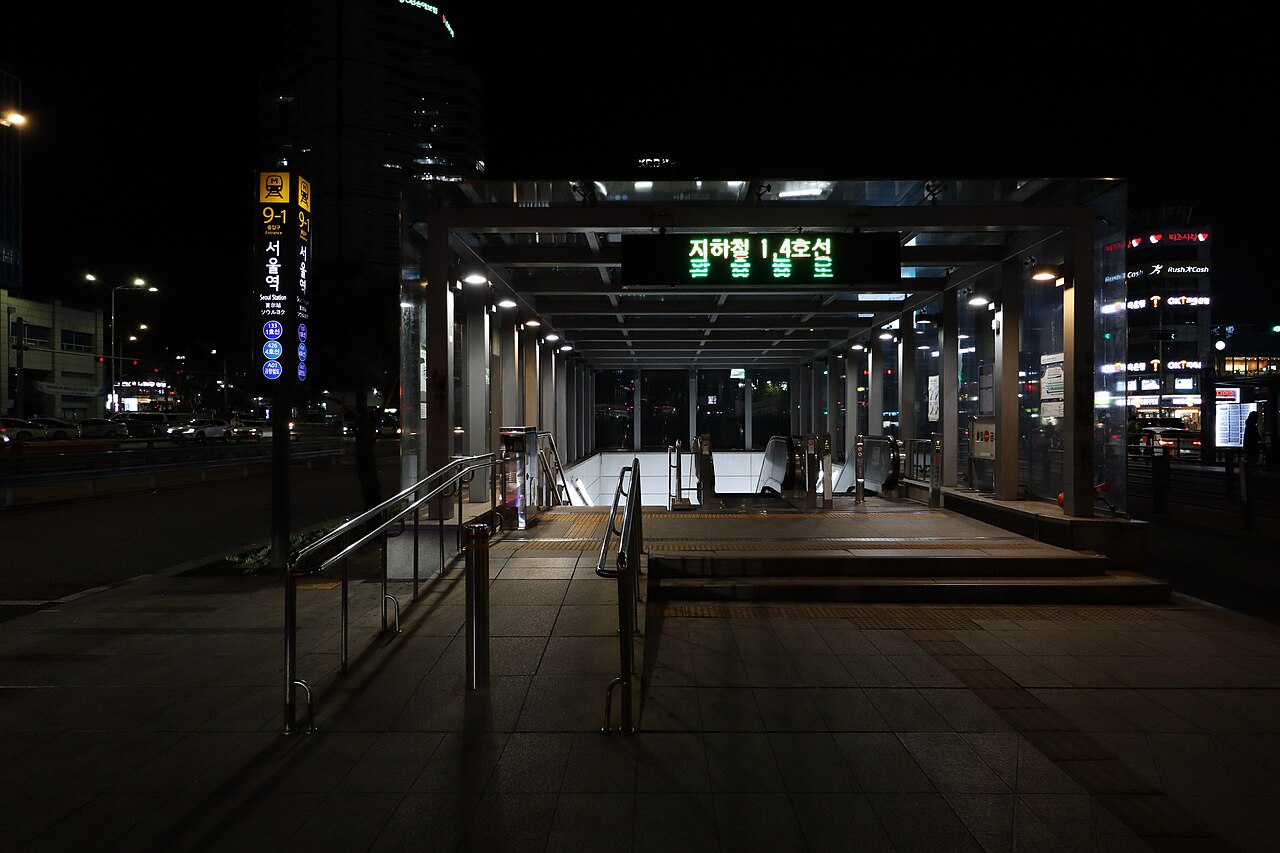
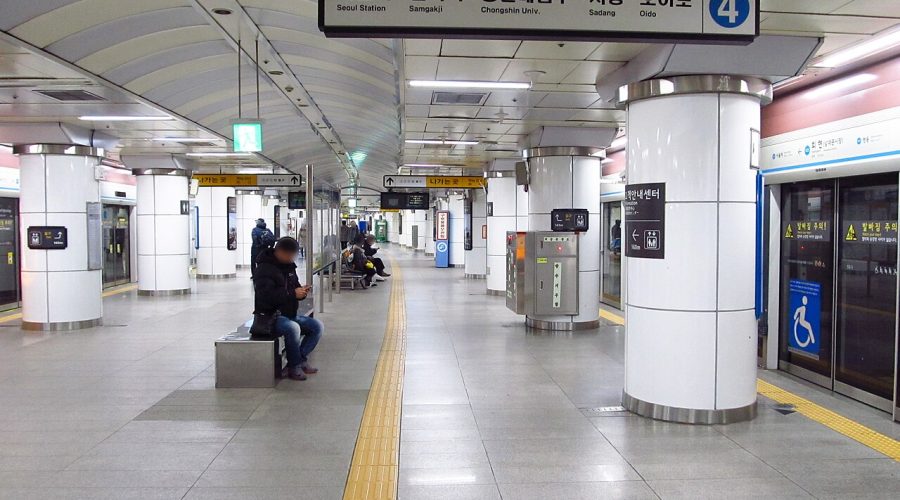
Context photograph: LERK, CC BY-SA 4.0. Photograph date: Taken on 24 November 2018 08:02:56 KST (UTC+9). Display size adjusted.